I took the CEO of a prominent robotics startup from 1.8k followers to 6k within 3 months, averaging around 1k likes per post. He became the hottest creator in his space near instantly after the work I did with him.
I have always wanted to distill my knowledge of LinkedIn into an AI system that could do it for me, but it was always extremely difficult. You need to context engineer a system that actually captures the nuances of how I write social posts for clients: one that is multi-pass, adapts to different writing styles and tones depending on who it is writing for, and can adapt the same content to different platforms like LinkedIn and X. It sounds simple, but it is hard to execute. Many have tried and failed. So I tried, creating this AI system to write social posts just like me.
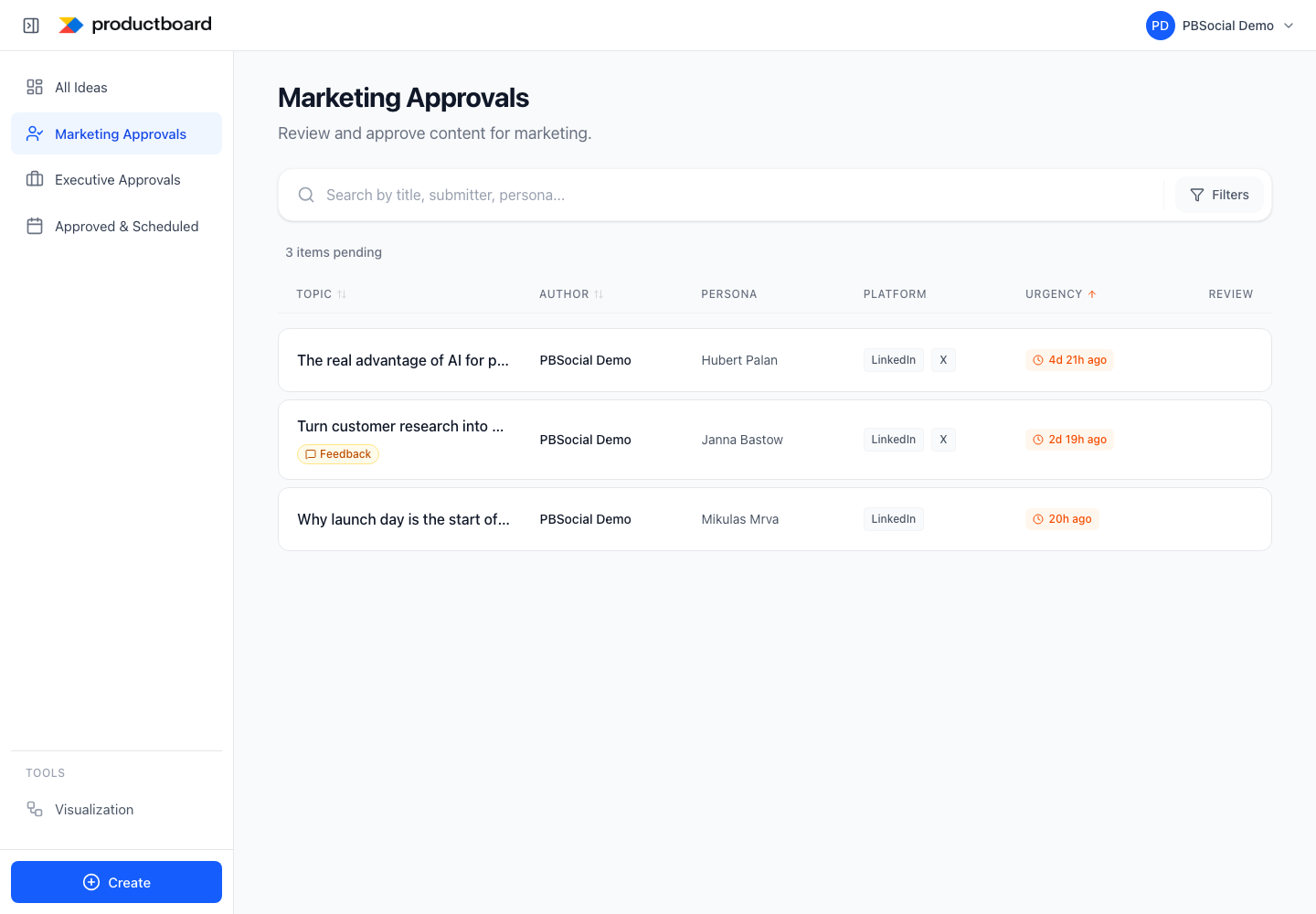
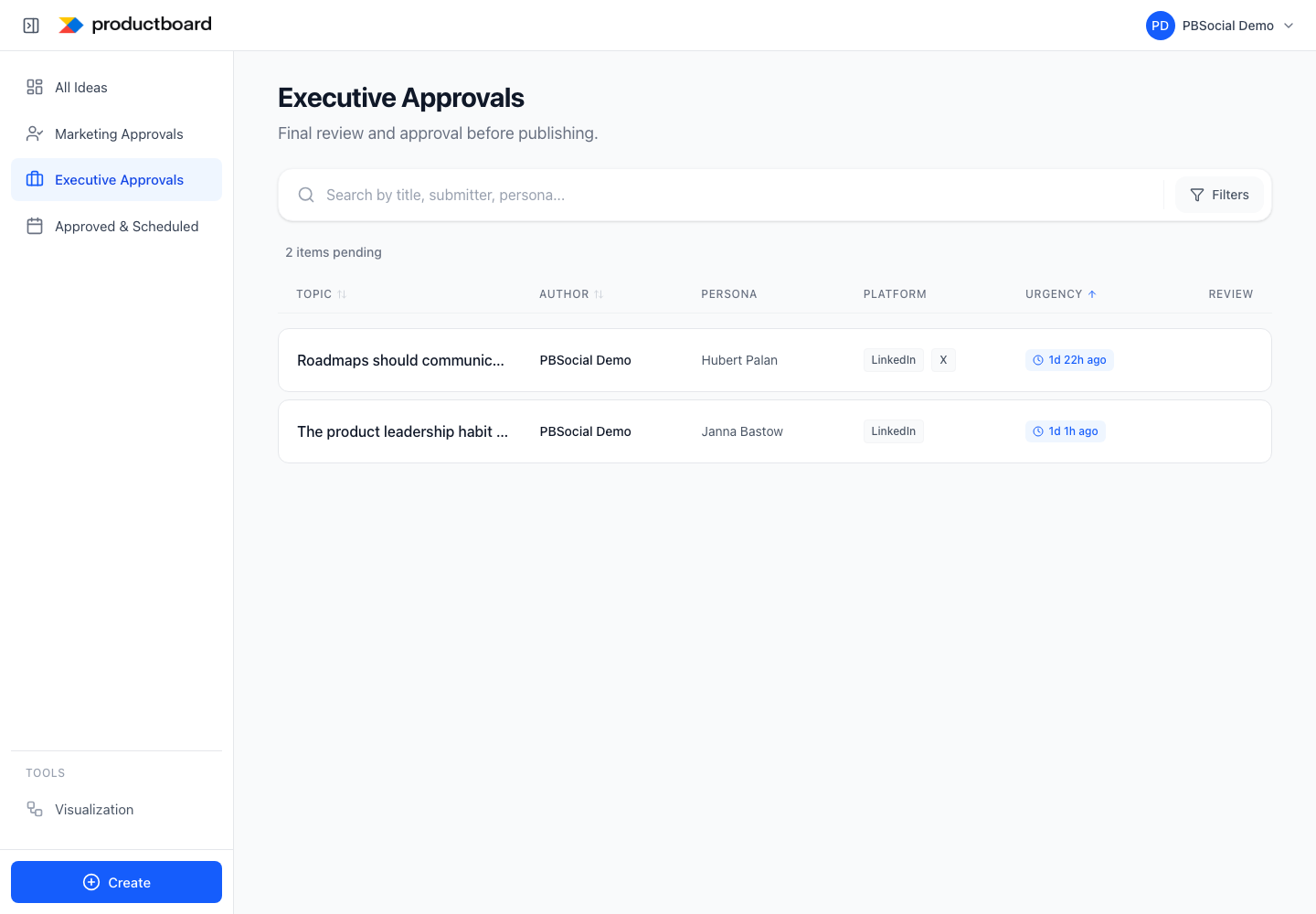
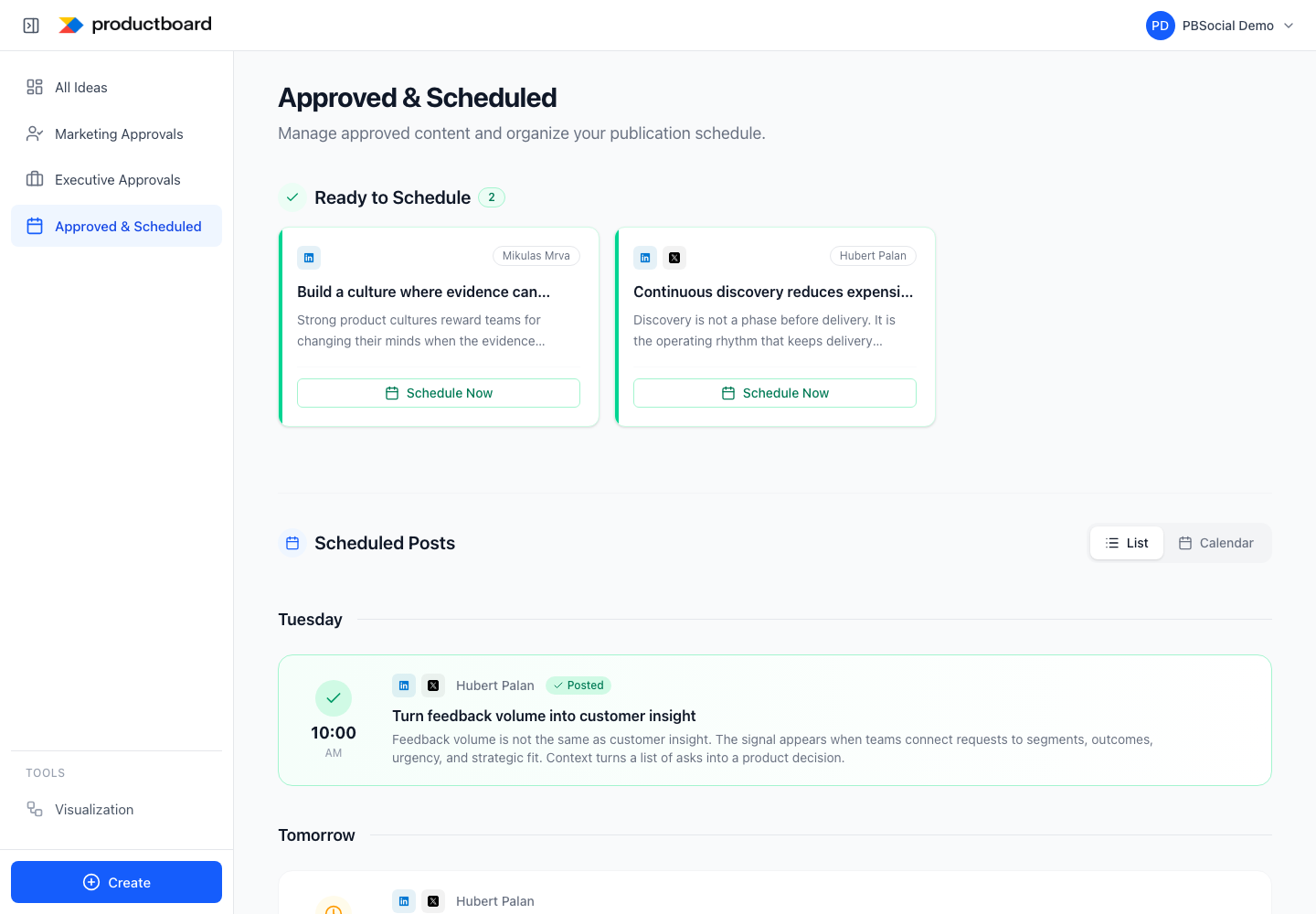
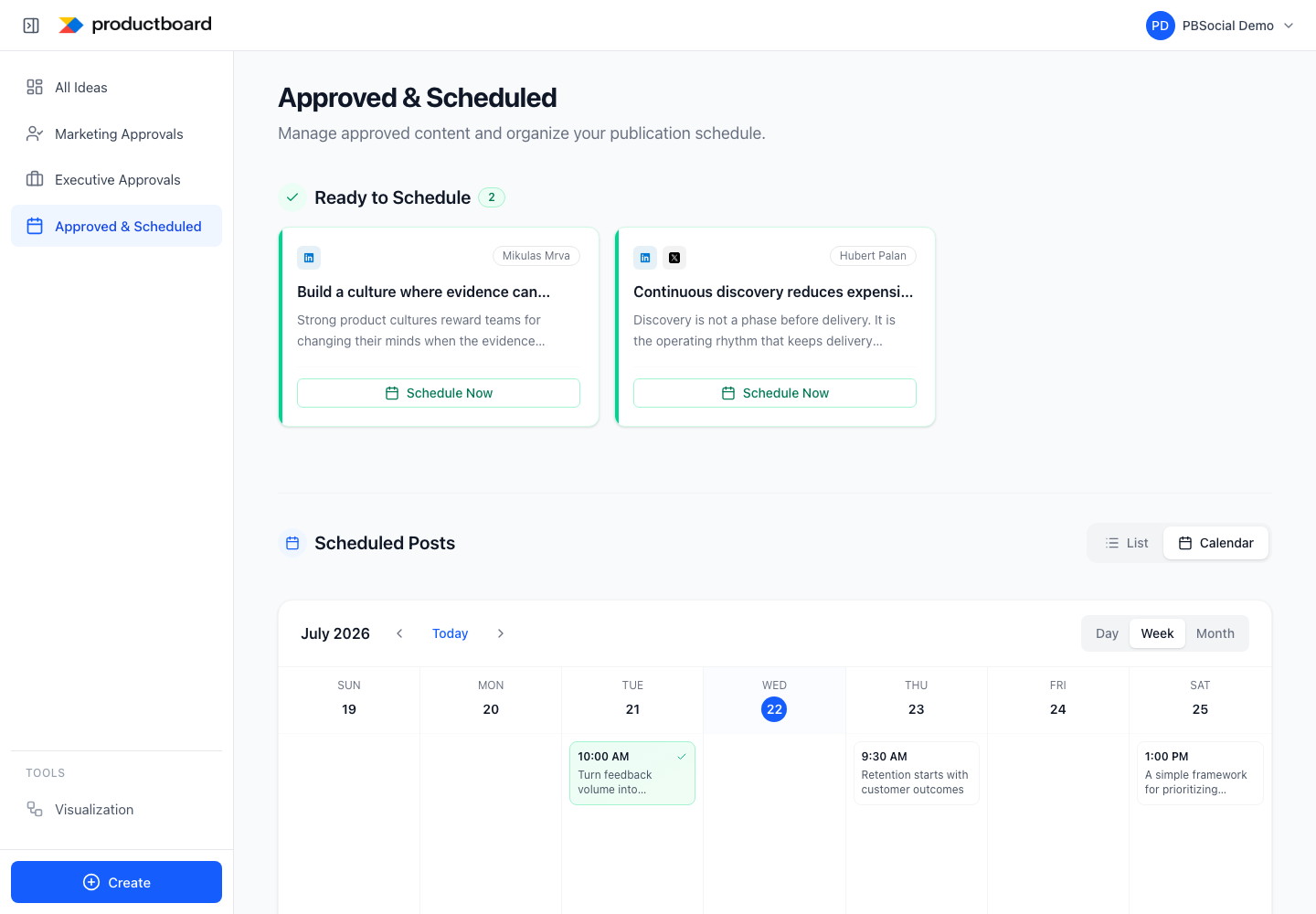
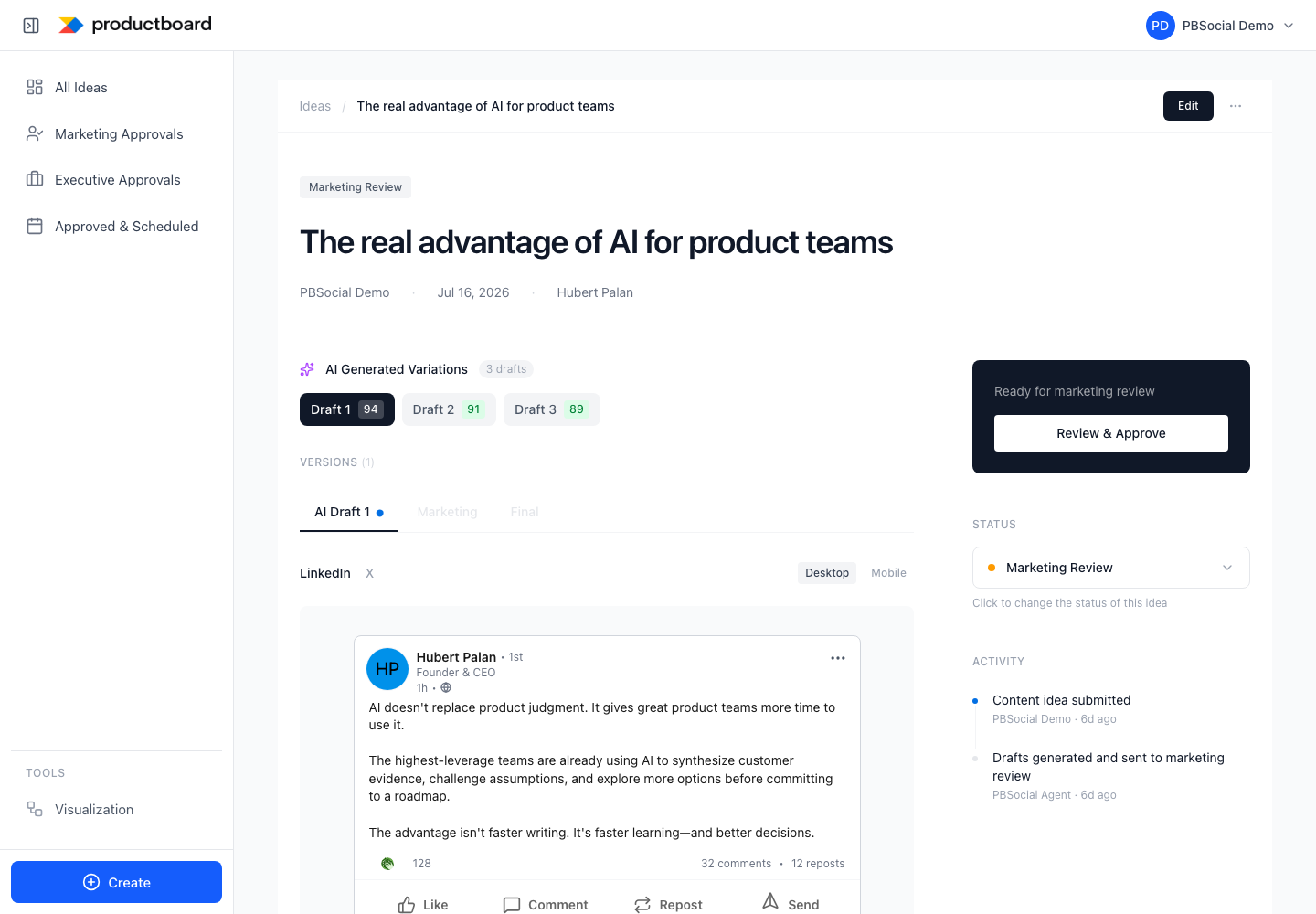
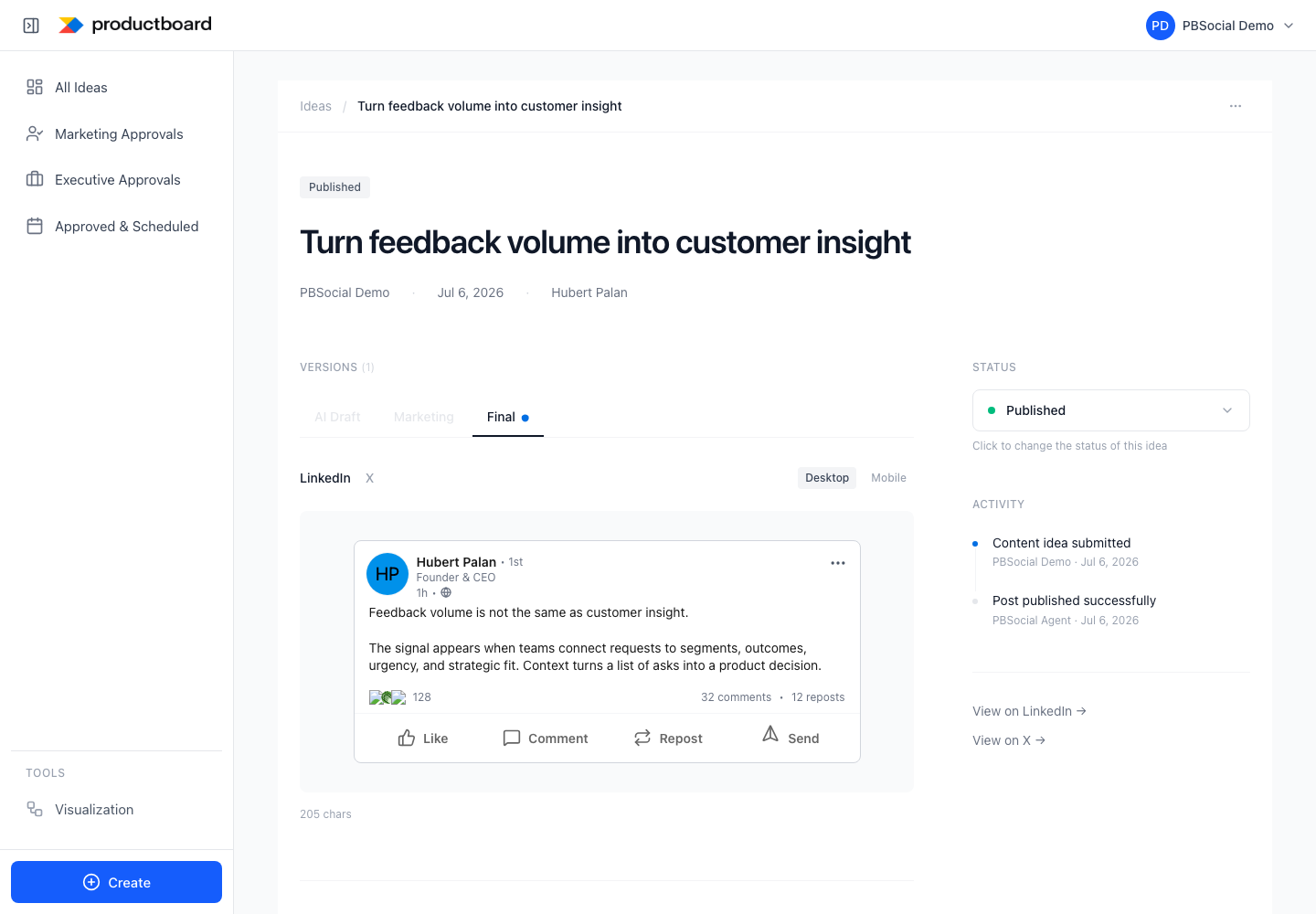
SocialAgents turns a topic into ready-to-publish LinkedIn and X posts written in a specific person's voice, then routes them through a real approval workflow: marketing review, executive review, and a content calendar for scheduling.
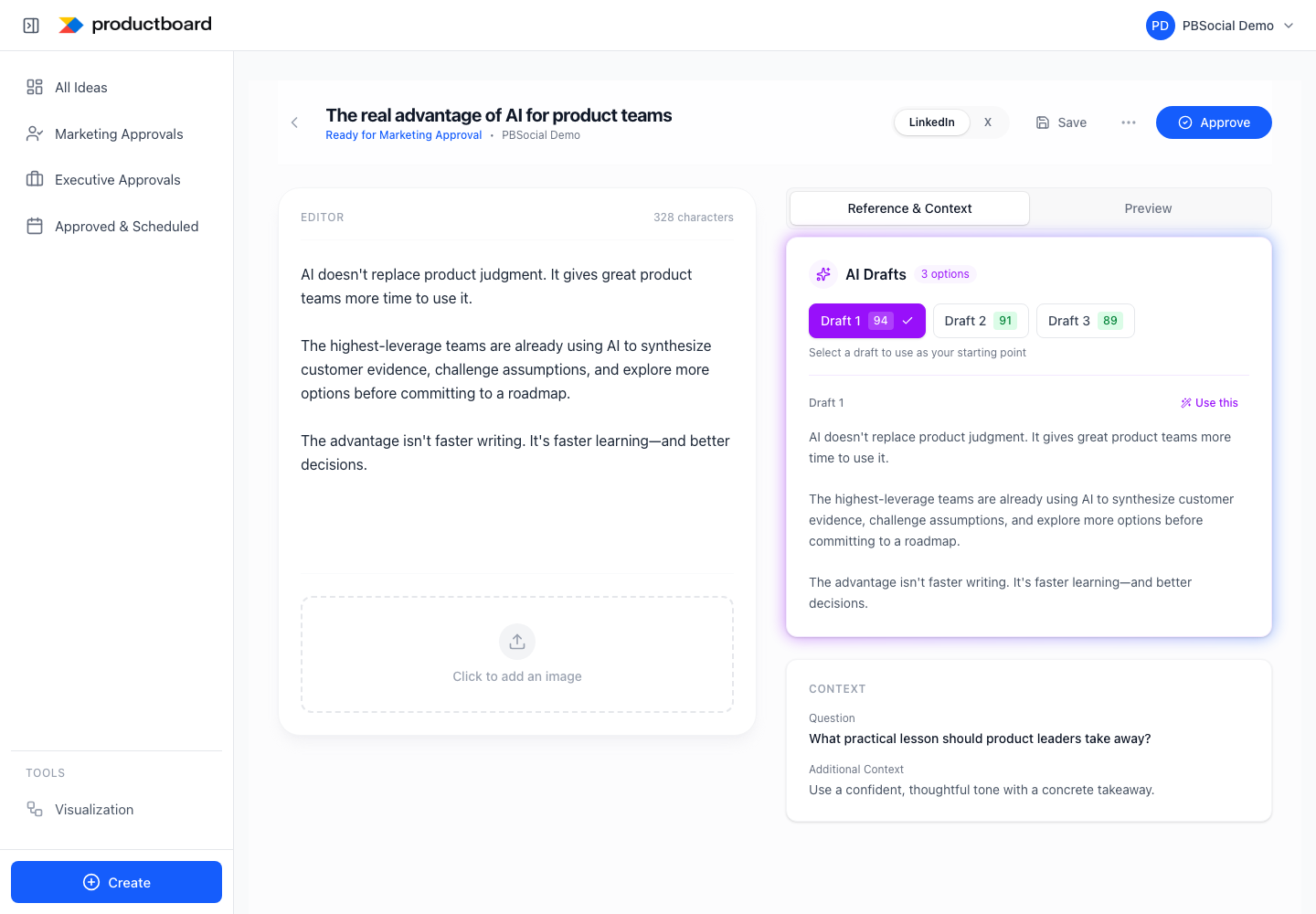
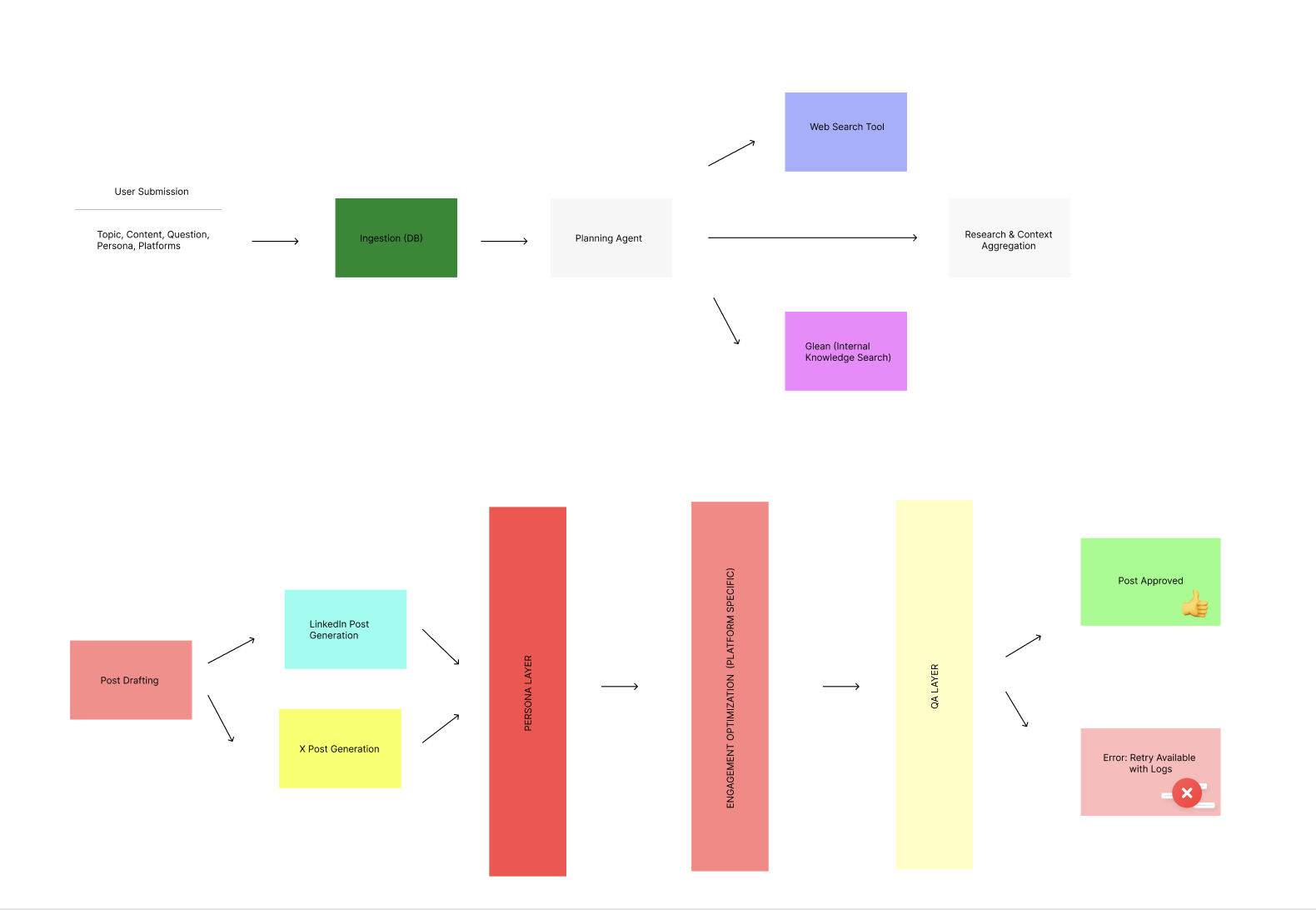
- Context engineering a multi-pass generation pipeline: a planning agent picks the angle, audience, and hooks, research runs in parallel across the open web and any private knowledge you connect, then drafting, persona rewriting, engagement optimization, and a QA scorecard grade every post before a human ever sees it.
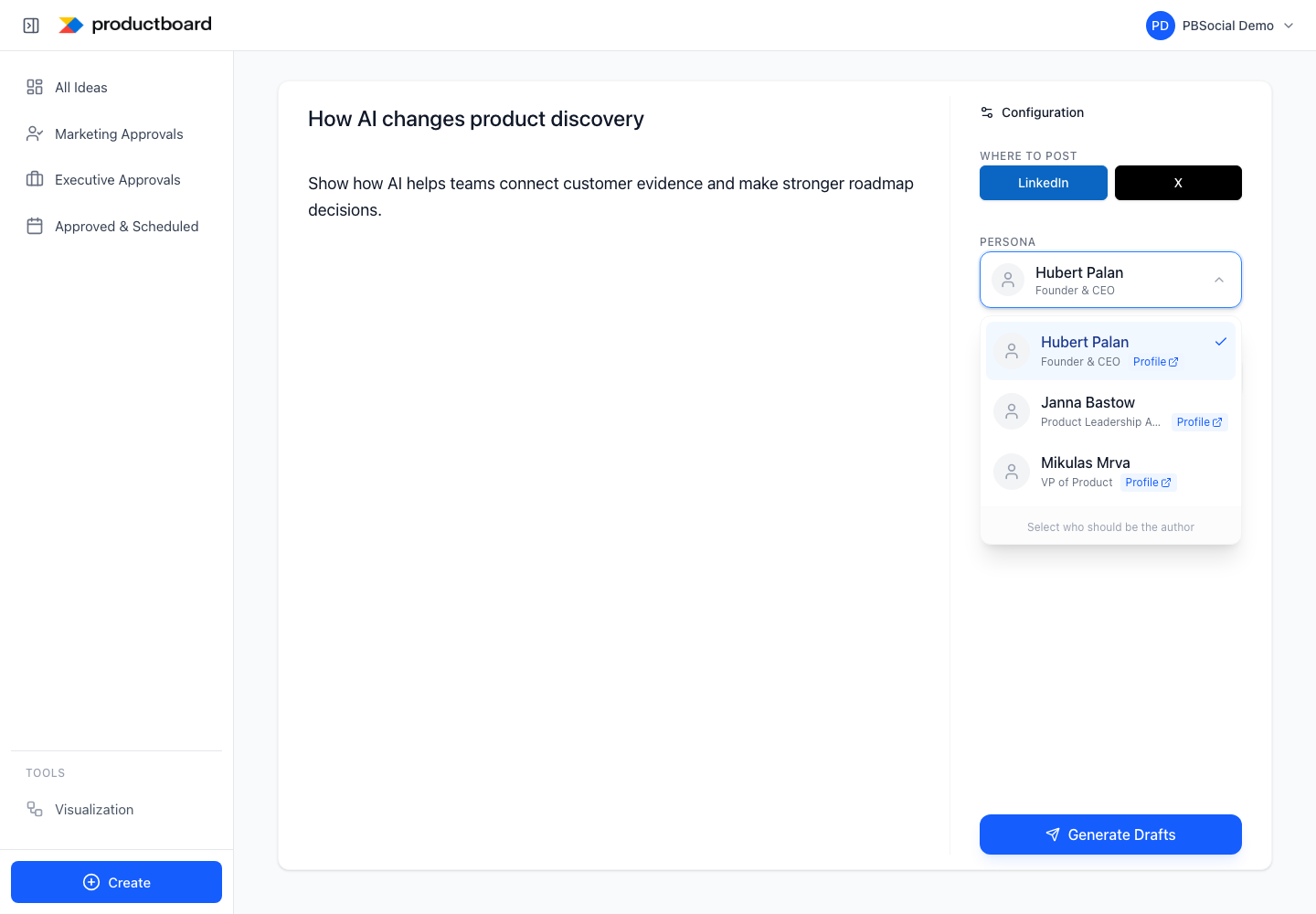
- Capturing a person's actual voice through a persona system: tone, vocabulary, sentence structure, signature phrases, real writing examples, and guardrails for things they would never say.
- Killing AI tells with hard rules baked into the prompts: no em dashes, no markdown formatting, no formulaic constructions like we're not just X, we're Y.
- Generating one to three deliberately distinct drafts per idea (bold-contrarian, story-driven, sharp-insight) with varied settings, so reviewers choose between real alternatives instead of near-duplicates.
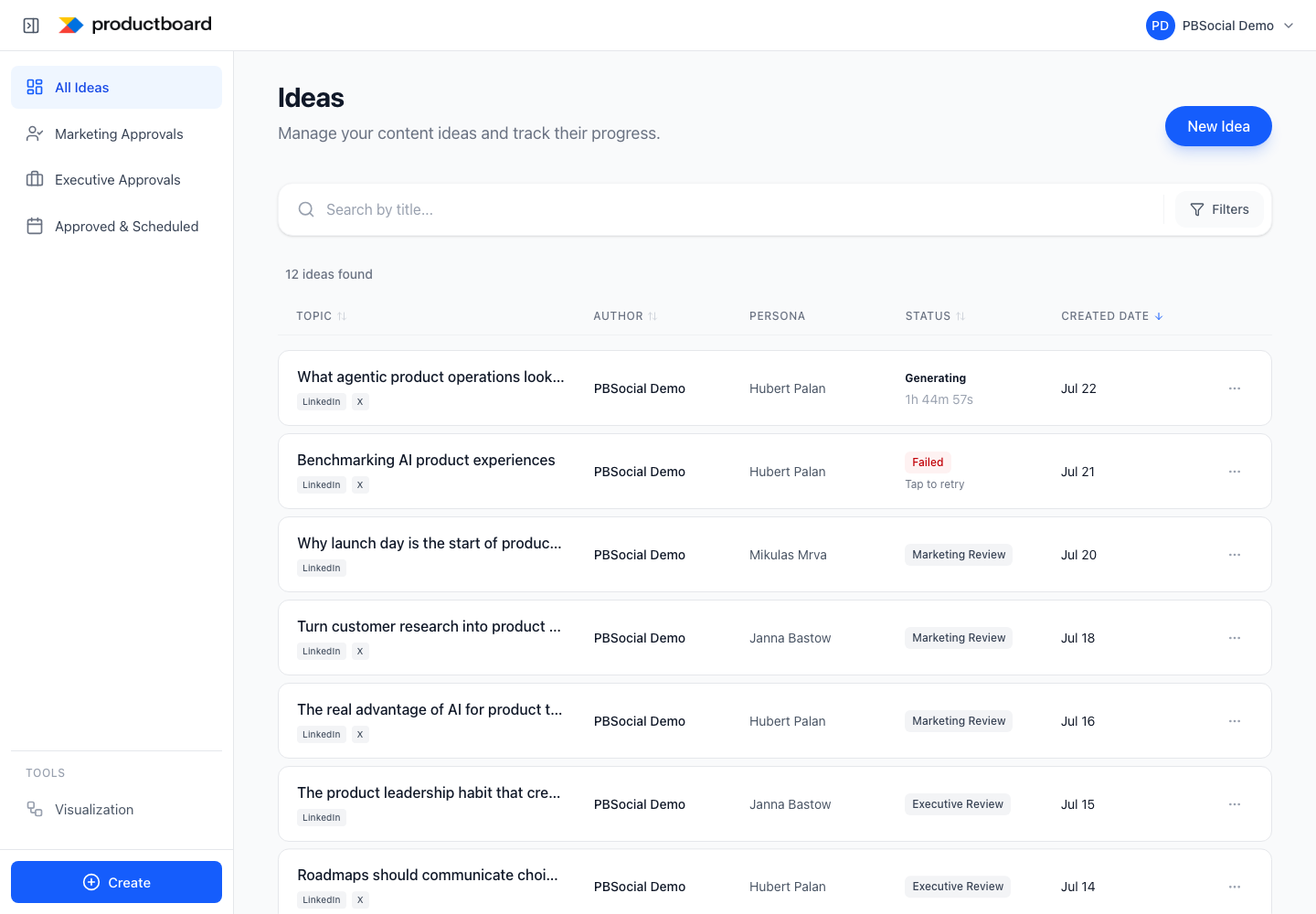
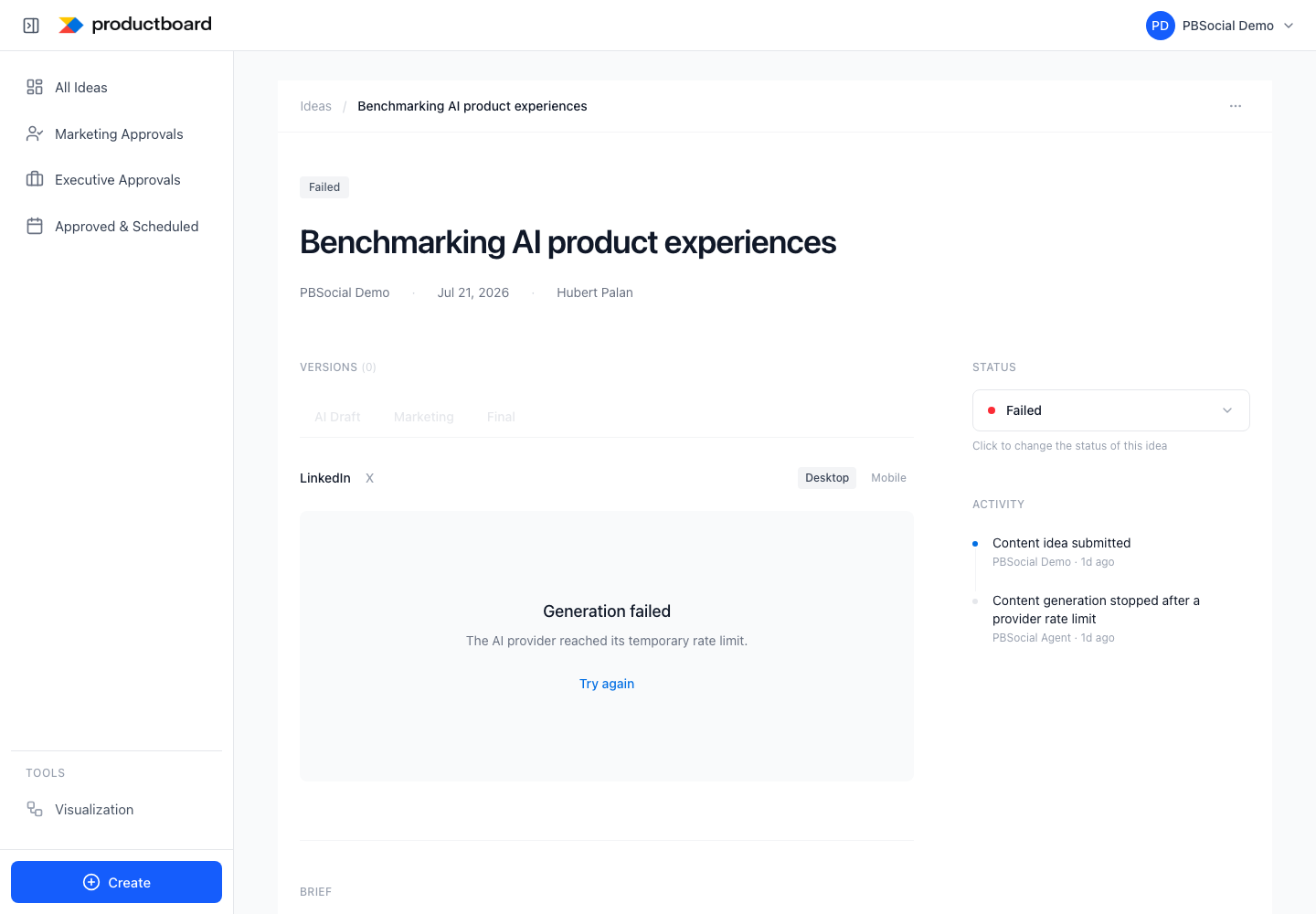
Built as a full content ops system: a generation backend that runs the pipeline asynchronously, a review UI for marketing and executives, Slack notifications between stages, a content calendar for scheduling, and generation logs so every step is observable. Failures are categorized into retryable states so a bad draft can be regenerated with feedback instead of starting over.